


Category: Yoga Therapy
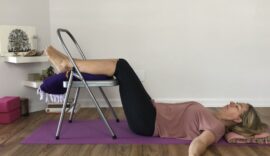
How Yoga Therapy Can Help People Living with Multiple Sclerosis (MS)
Living with Multiple Sclerosis (MS) can bring many physical and emotional challenges, including balance difficulties, muscle stiffness, restricted mobility, fatigue, and sometimes depression. While yoga therapy is not a cure for MS, a carefully adapted and individualized practice can offer valuable support for maintaining mobility, flexibility, and emotional well-being.
Keeping the body flexible and the joints mobile is especially important. Gentle, repeated yoga poses can help release stiffness, improve joint mobility, and encourage greater freedom of movement. Working regularly with the body’s natural range of motion can help prevent unnecessary rigidity and maintain flexibility.
A skilled yoga therapist understands that every person with MS has different needs and abilities. The practice should be adapted to the individual’s physical condition, energy levels, and limitations.
Balance and stability are another important focus. Yoga props such as a yoga chair, wall ropes, and other supportive equipment can make a tremendous difference. They provide stability and security, allowing students to explore movements and postures with greater confidence and less fear of falling.
An individualized yoga therapy practice may include:
Gentle movements to maintain flexibility and joint mobility.
Repeated poses to help release stiff areas of the body.
Supported standing poses to work on balance and stability.
Gentle stretching and strengthening within individual limits.
Breathing techniques to calm the nervous system.
Relaxation and meditation to support emotional well-being.
Beyond the physical benefits, yoga offers something equally important: peace of mind.
Living with a chronic condition can be emotionally demanding. Gentle breathing practices, meditation, and restorative yoga can help reduce stress, encourage relaxation, and create a greater sense of inner balance. Having a safe space to move, breathe, and reconnect with the body can be deeply nurturing.
The goal of yoga therapy is not to push the body beyond its limitations, but to work intelligently with what is possible today. With patience, consistency, appropriate support, and guidance from an experienced yoga therapist, people living with MS can continue to explore movement, preserve flexibility, and improve their quality of life.
At Katrin Elia Yoga, each practice is adapted to the individual, with an emphasis on alignment, mindful movement, supportive props, and the healing benefits of yoga.
Read More
Contact Us: 1010 Michigan Ave, Palm Harbor, FL 34683 | +1 (610)662-1130 | katrin@katrineliayoga.com